Pizza Place Cheyenne Ideas for Family Pizza Traditions
@beaufojc092
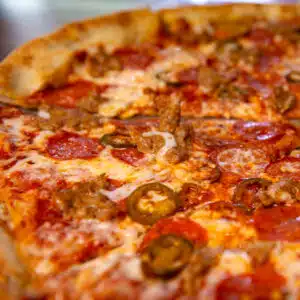
Family traditions rarely begin with a grand plan. More often, they start because Friday ran long, nobody wanted to wash pans, and one meal happened to feel easier and warmer than the rest. Pizza has a way of stepping into that role. It is generous, familiar, forgiving, and easy to shape around different ages and appetites. For many families, the local pizza night becomes less about the food itself and more about the rhythm around it, who sits where, what gets ordered, which stories come out once everyone relaxes.
In a place like Cheyenne, where weather can turn quickly and schedules can get pulled between school events, work, rodeo weekends, and community gatherings, a reliable pizza routine has real value. A pizza place cheyenne good pizza place Cheyenne families trust can become part of the household calendar. Not as a fallback, but as a marker. The meal that says the week is winding down, the birthday weekend has started, the grandparents are in town, or the soccer season finally ended.
The strongest traditions are not usually the fanciest ones. They are the ones people can repeat without strain. That is what makes pizza such a good foundation for family customs. It can be simple enough for a Tuesday, festive enough for a birthday, and flexible enough for a group with toddlers, teenagers, and adults at the same table.
Why pizza traditions tend to last
Some family rituals collapse under the weight of planning. They ask too much money, too much time, or too much coordination. Pizza works because it asks for very little while giving back a lot. One pie can satisfy a table quickly. Two or three can turn into a conversation about preferences, personalities, and compromise. Every family has that one person who insists on extra cheese, the one who wants vegetables, and the one who always says they are fine with anything until olives appear.
That small negotiation matters more than people realize. Shared meals teach habits. Children learn how a family decides together. Adults get a predictable moment to connect without the pressure of a formal event. A recurring visit to a pizza place Cheyenne residents know well can also build a sense of local belonging. Staff start to recognize the regulars. Kids grow old enough to place their own order. A meal that began as convenience becomes part of the family story.
There is also a practical point here. Pizza offers built in flexibility for varying budgets. Some nights call for a couple of large pies and pitchers of soda. Other nights may be a single specialty pizza, a salad, and water. Families can scale the occasion up or down without losing the tradition itself. That is one reason these routines survive over the years.
What makes a pizza night feel like your family’s own
A tradition becomes memorable when it develops recognizable details. Not expensive details, just consistent ones. One family always asks each person to name the best part of the week before anyone reaches for a second slice. Another lets the youngest child choose the appetizer on report card nights. Some rotate topping choices so one person does not dominate the order every time.
The best customs usually grow from your family’s real habits instead of an idealized picture of togetherness. If your children are young and restless, a shorter meal with one shared pizza and one safe favorite may work better than a drawn out sit down dinner. If your teenagers are constantly in and out, maybe the tradition centers on takeout at home, with a movie or a card game waiting on the table. If grandparents live nearby, Sunday lunch might be easier than Friday dinner.
It helps to think less about creating a perfect tradition and more about creating a repeatable pattern. Repetition is what builds meaning. Over time, the pattern itself becomes comforting. The same booth, the same order for the adults, the same argument over mushrooms, the same stop for ice cream afterward. None of it is dramatic. All of it matters.
Choosing the right pizza place in Cheyenne for regular family nights
Not every restaurant works equally well for tradition building. The food matters, of course, but consistency matters just as much. A family night spot has to fit the pace and personality of the people using it. When families look for a pizza place Cheyenne option they can return to again and again, a few qualities tend to matter more than trendiness.
First, service should pizza place cheyenne be predictable. That does not mean flawless every time. It means the staff can handle regular family traffic without making dinner feel chaotic. Parents notice this immediately. So do children. A place that can greet a family warmly, bring drinks quickly, and keep the meal moving at a reasonable pace often wins loyalty for years.
Second, the menu should offer enough range to prevent burnout. A solid cheese pizza is essential, but so are a few options that allow adults to feel they are not ordering from a children’s menu. Salads, specialty pies, half and half options, and a handful of sides go a long way. Families return more often when the menu can evolve with them. A five year old who wants plain pepperoni now may become the teenager who suddenly wants jalapeños and sausage in three years.
Third, think about the physical space. Noise level, table size, parking, ease of entry in winter, and whether a restaurant can handle a group of eight without stress all shape the experience. In Cheyenne, where wind and snow can change the logistics of an evening fast, convenience counts. A place that is easy to reach and easy to enter during colder months has a practical edge for regular visits.
Building a tradition that survives busy seasons
The real challenge with family traditions is not starting them. It is keeping them alive once life gets crowded. School concerts, overtime shifts, travel sports, and plain fatigue can break momentum. That is why durable traditions have to be forgiving.
A pizza routine works best when it has a core and some flexibility around the edges. The core might be “first Friday of the month” or “the night before school starts again” or “every home game Saturday.” The flexible part is where it happens, whether it is dine in or takeout, and who can make it that week. If you insist on one rigid format, the tradition may fade the moment life gets complicated.
One family I know tied pizza night to milestone moments rather than a fixed day. New job, first driver’s license, end of finals, cast removal after a broken arm, first paycheck from a summer job. They still had plenty of spontaneous pizza meals, but these marker nights became especially memorable because everyone knew what the meal meant. It turned the restaurant into a witness to the family’s progress.
Another family kept their tradition alive through a simple rule: if the full household could not gather, whoever was home kept the ritual going anyway. That mattered. Traditions do not have to stop because attendance fluctuates. Keeping the pattern intact gives children stability and reminds adults that family culture is built by repetition, not perfection.
Small rituals that make the meal stick in memory
The meal itself carries a lot of the weight, but little add ons are what make it memorable years later. Children remember games, phrases, and tiny privileges more vividly than they remember crust quality. Adults tend to remember who was there and what was said.
You do not need to choreograph the evening. In fact, overplanning usually drains the life out of it. But a few recurring touches can make a simple pizza dinner feel like more than a transaction.
Here are a few that work well because they are easy to repeat:
- Let one family member choose the pizza combination each time on a rotating basis.
- Ask one table question that everyone has to answer before phones come out.
- Mark birthdays or achievements with a dessert pizza or shared sweet at the end.
- Keep a photo from each tradition night, even if it is just one quick snapshot.
- Save one recurring phrase, joke, or toast that signals the tradition has begun.
None of these require money beyond the meal itself. They simply create shape. Families often underestimate how much children value predictability paired with a bit of ceremony. That combination creates emotional memory.
Dine in or takeout, both can become meaningful
Some people imagine a true tradition has to happen out in public, with a favorite booth and a familiar server. That can be lovely, but it is not the only way. Takeout can be just as meaningful, sometimes more so, because it gives families control over the environment.
Dine in works especially well when what your family needs is separation from chores. No dishes, no grocery planning, no cleanup. The outing itself becomes the event. Children often respond to that shift in setting. Adults do too. Sitting in a restaurant creates a natural pause, a sense that for one hour there is nowhere else to be.
Takeout, on the other hand, can anchor a deeply personal tradition at home. Maybe the pizzas always land on the same old wooden board in the kitchen. Maybe everyone eats in pajamas during the first snowstorm of the season. Maybe a movie starts only after the boxes are opened. Home based pizza traditions can be easier to maintain for families with small children, tighter budgets, or relatives with mobility concerns.
There is no rule saying a family must pick one format and stay with it forever. Many of the strongest routines move between restaurant and home depending on weather, schedules, and who is joining. The consistency comes from the intention, not the furniture.
How to handle different ages at one table
A tradition only lasts if everyone feels considered. This becomes tricky when one household includes toddlers, older children, teenagers, parents, and perhaps grandparents. The needs can conflict. Younger children may need speed and familiarity. Teenagers may want autonomy. Adults may just want one calm hour without negotiating every detail.
The solution is usually not to cater entirely to one group. It is to build enough room for each person to see themselves in the ritual. Younger children often benefit from one stable favorite on the table every time, usually plain cheese or pepperoni. Teenagers appreciate some role in decision making, such as ordering, pickup, or choosing a specialty pie. Adults should allow themselves preferences too. A family tradition is stronger when parents enjoy it rather than merely manage it.
If extended family joins regularly, it helps to choose a setup that can absorb different appetites and personalities. A few medium pizzas can sometimes work better than one giant pie because they create natural variety and reduce arguments over toppings. If there are dietary restrictions, ask early whether the restaurant can handle them consistently. Gluten free crusts, vegetarian options, and lighter menu items can keep more people included without turning dinner into a logistical puzzle.
Budget matters, and so does honesty about it
Money shapes traditions, whether families acknowledge it or not. The healthiest approach is simple honesty. A sustainable pizza tradition fits your actual household budget. It should not rely on the emotional high of overspending.
For some families, that means a regular restaurant night once a month and homemade pizza on other weeks. For others, it means takeout specials, lunch pricing, or sharing a few large pies instead of loading the table with extras. The key is removing any sense that the tradition only counts if it looks abundant. Children usually care far less about quantity than adults assume. They notice repetition, mood, and attention more than premium toppings.
A practical rule many families find useful is to decide ahead of time what counts as the default order and what counts as a special occasion order. That takes pressure off the moment. The default might be two large pizzas and water. The celebration version might add an appetizer, dessert, or a third pie. When everyone understands the pattern, there is less friction and fewer awkward budget conversations in front of children.
Using local character to deepen the tradition
Part of what makes a pizza place Cheyenne tradition special is that it belongs to a specific town. It does not have to feel generic. Local weather, local events, and local rhythms can shape the custom in ways that make it more rooted.
Cheyenne families often have seasons that feel distinct. There are school year routines, summer fair and travel periods, colder evenings when going out feels like a commitment, and stretches when community events fill the calendar. Pizza traditions can respond to those shifts. A back to school pizza night in late summer feels different from a winter evening when everyone arrives with cold hands and big coats. Both can matter for different reasons.
You can also attach the meal to local experiences. Pizza after a youth sports game. Pizza before holiday lights. Pizza after helping at a community event. Pizza when out of town relatives visit and want a low pressure meal. When a tradition starts reflecting the real life of a place, it stops feeling imported and starts feeling earned.
When traditions need to change
No family stays still. Children grow. Work schedules change. Dietary needs appear. Divorce, remarriage, college departures, and aging parents can all alter who gathers and how often. The families that keep traditions alive are not the ones who resist change. They are the ones who preserve the meaning while adjusting the format.
Sometimes that means moving the tradition earlier because young children cannot handle late dinners. Sometimes it means shifting from weekly to monthly because teenagers have evening commitments. Sometimes it means keeping the pizza night but changing restaurants because quality slipped or the family outgrew the space.
This is where judgment matters. Not every change is a threat. In many cases, adaptation is the reason a tradition survives. If a family insists on preserving every original detail, the whole thing can become brittle. Better to ask what the tradition is really for. Usually the answer is connection, familiarity, and shared time. Once that is clear, the surface details become easier to adjust.
A useful check is to notice what people mention when they talk about the tradition years later. They rarely say, “I miss the exact side order we used to get.” They say, “I miss when we were all there,” or “I remember how we laughed,” or “I remember always stopping there after the game.” That tells you what deserves protecting.
Making room for ordinary nights and milestone nights
One mistake families make is saving meaningful meals only for major celebrations. Big events matter, but traditions gain power from repetition on ordinary days. A random Thursday pizza night can become just as memorable as a graduation dinner, especially if it happens during a season when the family truly needed a breather.
At the same time, milestone nights deserve their own shape. It helps to have a simple distinction between routine and celebratory visits. You do not need a complicated formula. One extra item, one shared dessert, or inviting one more relative can be enough to make a promotion, birthday, or personal achievement feel recognized.
This balance, ordinary and special, is where pizza traditions really shine. The meal can carry both moods without strain. It can absorb the everyday and still rise to an occasion. Few family rituals manage that so well.
A simple way to start without overthinking it
If your family does not yet have a pizza tradition, there is no need to announce one formally. Pick a date within the next two weeks. Choose a pizza place Cheyenne families can reach without hassle. Order familiar favorites plus one thing nobody has tried. Sit down together and pay attention to what feels easy, not what looks impressive.
A strong starting point usually includes just a few decisions:
- Decide how often the tradition is realistic, weekly, twice a month, or monthly.
- Choose whether the default is dine in or takeout.
- Give everyone one small role, such as picking toppings, carrying boxes, or asking the table question.
- Keep the first version simple enough that repeating it feels obvious.
- Notice what the family enjoys naturally, then build from that next time.
That last point matters most. Good traditions are discovered as much as designed. One family may love noisy restaurant booths and extra napkins. Another may prefer opening pizza boxes at the kitchen island while a dog waits for dropped crust. Neither is more authentic than the other.
What matters is that the ritual fits your actual people, your actual town, and your actual weeknight energy. If it does, it will not need much promotion. It will simply begin to repeat. Then one day, years later, someone will refer to it as if it had always existed. That is usually how the best family traditions take hold.
Ruffrano's Hell's Kitchen Pizza Cheyenne
Address: 1670 E Cheyenne Mountain Blvd, Colorado Springs, CO 80906
Phone number: +17195764355
FAQ About Pizza Place Cheyenne
What's the most popular pizza place?
The "most popular" pizza place depends on whether you measure by location count, total sales, or customer favorite status.
What is the 2 pizza rule?
The two-pizza rule is a management principle made popular by Amazon founder Jeff Bezos. It states that a team or meeting should never be larger than what can be fed with two large pizzas—typically translating to a group of 5 to 10 people (or roughly 6 to 12 people depending on appetites).
Is 2 pizzas enough for 10 people?
No, 2 pizzas are usually not enough for 10 people.